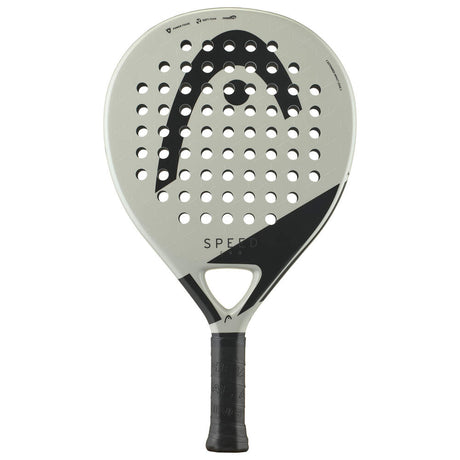
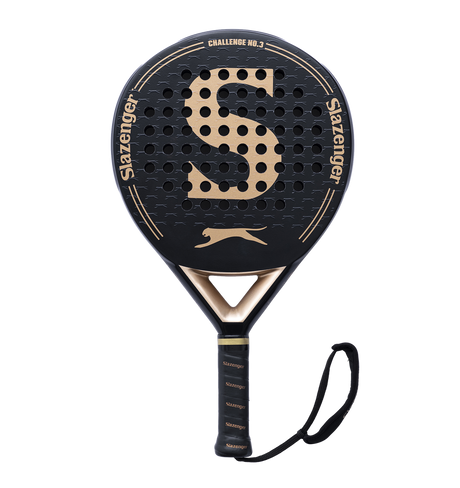
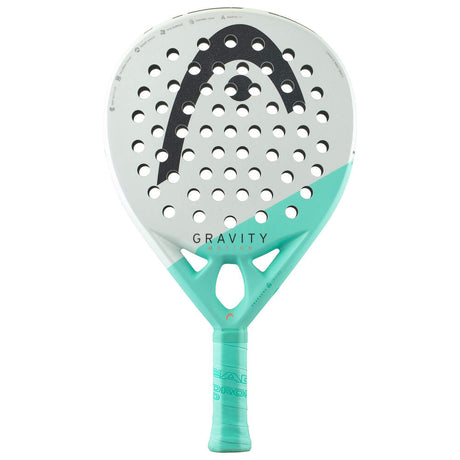
New to padel and wondering "how do I get started playing padel?" This beginner-friendly guide walks you through the basics: what padel is, simple rules, the gear you really need, a padel racket beginner guide, and practical tips for your first matches.


Table of Contents
What Is Padel?
Padel is a doubles racket sport played on an enclosed 20×10 m court with glass walls and a central net. Think of it as a mix of tennis and squash: underhand serves, long rallies, and lots of teamwork. You play with a solid racket (no strings) and a low-compression ball designed for padel.
- Format: Almost always doubles (2 vs 2).
- Serve: Underhand, below the waist, diagonally into the service box.
- Court: Glass and mesh walls that keep the ball in play and reward angles and placement.
How Do I Get Started Playing Padel?
- Find a local padel court. Search for "padel clubs near me" or check your local racket club. Many facilities now have dedicated padel courts and beginner sessions.
- Book a beginner-friendly court slot. Look for "intro to padel", "padel for beginners" or social mix-ins where everyone is starting from a similar level.
- Grab basic gear. You can rent a racket at many clubs to try the sport, then upgrade to a beginner padel racket once you know you enjoy it.
- Learn the simple rules. Understand the serve, bounce and wall rules so you can keep rallies going instead of stopping to debate points.
- Play regularly for 4–6 weeks. One or two sessions per week are enough to build confidence, timing and basic court positioning.
Essential Padel Equipment for Beginners
You don't need a full pro setup to get started playing padel. Focus on three essentials: racket, balls, and shoes.
Your First Padel Racket (Beginner Guide)
Your racket has the biggest impact on comfort and learning curve. As a rule of thumb for a padel racket beginner guide:
- Weight: 350–365 g for most adults. Lighter = easier to swing; heavier = more power but more demanding on the arm.
- Shape: Round or teardrop for a big sweet spot and easier control.
- Balance: Even or slightly head-light for maneuverability.
- Face material: Fiberglass or softer carbon for a forgiving feel and better comfort.
- Core: Medium/soft EVA for easier ball exit at lower swing speeds.
If you're unsure where to start, browse our beginner-level padel rackets and filter by weight, shape and level.


Beginner Padel Racket Cheat Sheet
| Racket Profile | Shape | Weight | Face / Core | Best For |
|---|---|---|---|---|
| Comfort Control | Round | 350–360 g | Fiberglass + soft EVA | Absolute beginners, injury-prone players |
| All-Round Beginner | Round / Teardrop | 355–365 g | Hybrid carbon + medium EVA | New players with some racket-sport background |
| Power-Curious Beginner | Teardrop | 360–370 g | Stiffer carbon + medium EVA | Beginners who already hit hard and want more punch |

Padel Shoes & Apparel
Good padel shoes give you grip and stability on synthetic turf with sand. Tennis-only shoes can make you slip or stop too abruptly, especially on side steps and lunges.
Look for:
- Herringbone / clay-style outsole for traction on sand-dressed courts.
- Cushioning + lateral support for quick changes of direction.
- Breathable upper to keep feet cool in longer matches.


Padel Bags and Balls
A good padel bag keeps your gear protected and organized, and fresh balls keep bounce and feel consistent on sand-dressed courts. Together, they are an easy upgrade for match day with less wear on your racket, less hassle carrying everything, and more predictable shots.
Look for:
- Padded or thermal racket compartment to help protect materials from heat and temperature changes.
- Ventilated shoe pocket and a roomy main compartment so sweaty gear stays separate and everything fits.
- Fresh balls on hand and rotate regularly for consistent feel and bounce. Most players bring 2 to 3 balls per session.


Basic Padel Rules and Scoring for First-Time Players
You don't need to memorize the full rulebook to get started. Focus on these basics for your first games.
Scoring System
- Points: 0, 15, 30, 40, game (just like tennis).
- Games & sets: First to 6 games by 2 wins the set. Most matches are best of 3 sets.
- Deuce/advantage: At 40–40, you must win two points in a row to take the game.
Serve Basics
- Serve underhand, below the waist, after bouncing the ball once behind the service line.
- Hit diagonally into the opposite service box.
- If the ball hits the net and lands in the correct box, it's a let — replay the serve.
When the Ball Is in Play
- After the ball bounces on the court, it can hit the glass walls and still be in play.
- If it hits the wall first and then the ground, the point is over.
- You can volley (hit before the bounce) as long as the ball has crossed the net.
Beginner Padel Techniques & Strategy
Grip & Contact
Use a continental grip (like holding a hammer). It works for serves, volleys and overheads, so you aren't changing grips every shot.
- Keep your wrist relaxed, not stiff.
- Make contact slightly in front of your body.
- Focus on clean, centered hits over raw power.
If you want a deeper breakdown of swing mechanics, timing, and common mistakes, check our dedicated guide on perfecting your padel forehand techniques.
Beginner Padel Tips: What to Focus on First
1. Consistency Over Power
Play high-percentage shots, keep the ball in play, and only add speed when you're balanced.
2. Learn the Walls Early
Practice letting the ball hit the glass and bounce back to you — it's the key to defense in padel.
3. Talk to Your Partner
Call lobs, switch sides, and decide who takes the middle ball. Simple communication wins easy points.
4. Build a Routine
One or two sessions per week for 4–6 weeks is enough to feel a big jump in confidence and timing.
Build Your First Padel Starter Kit
Once you've tried a few sessions and know you enjoy padel, investing in the right starter gear will make every rally more fun and comfortable.
- Racket: Start with a beginner-friendly frame, then upgrade as your technique and power improve.
- Shoes: Court-specific padel shoes for grip and stability.
- Accessories: Overgrips, wristbands and a bag to protect your gear.
Once you understand how to get started playing padel, the next step is choosing a brand you trust. In our in-depth guide to the best padel brands we compare top padel racket brands like Bullpadel, Nox, Adidas, Head, Wilson, Babolat and Siux, with examples of who each brand suits best.
FAQs — Getting Started With Padel
Is padel hard to learn for complete beginners?
Not at all. Underhand serves, the enclosed court and doubles format make padel one of the most beginner-friendly racket sports. Most new players can rally and enjoy a game in their very first session.
How often should I play padel as a beginner?
Aim for 1–2 sessions per week. That's enough to improve timing, footwork and court awareness without overloading your body while you adapt.
Do I need lessons to get started playing padel?
You can absolutely start with friends, but one or two beginner lessons or group clinics will fast-track your progress and help you avoid bad habits, especially with walls and positioning.
What padel racket is best for beginners?
Look for a round or teardrop racket around 350–365 g, with a soft or medium EVA core and fiberglass or softer carbon face. These specs give you a large sweet spot, comfort and easy ball exit while you learn.
Can I use a tennis racket to play padel?
No — padel uses solid rackets with specific dimensions and hole patterns. Using a proper padel racket protects your arm and gives you the control and spin the sport is designed around.
How much does it cost to get started with padel?
Getting started with padel is more affordable than most people expect. Court rental typically runs $20–40 per session depending on your area and facility. A solid beginner racket costs between $60–150, padel-specific shoes range from $70–120, and a tube of balls runs about $8–12. All in, most beginners spend $150–300 to get properly equipped for their first few months. If you want to try the sport before committing, many clubs offer racket rentals so you can play your first sessions with minimal upfront cost.
Ready to start? Explore our full padel gear lineup and build a beginner setup that helps you grow from your very first match.