

If you’ve ever felt a sharp twinge in your elbow after a hard smash or finished a session with your wrist aching, you’re not alone. As padel grows, more players are searching for the best padel racket for tennis elbow, low vibration and overall arm comfort. This guide explains what actually makes a racket more arm-friendly and highlights options—especially Cork padel rackets—that can help protect your joints while keeping your level high.


Table of Contents
Why some padel rackets make your elbow hurt
Before choosing an “arm-friendly” racket, it helps to understand why discomfort appears in the first place. In many cases, it’s a combination of factors:
- High stiffness with poor damping: Very rigid frames and hard cores transmit more shock to the elbow and wrist on off-center hits.
- Too much weight or extreme head balance: Overly heavy or very head-heavy rackets strain the forearm and shoulder over time.
- Small or unforgiving sweet spot: When the racket punishes anything off-center, vibrations and torque increase, especially on defensive shots.
- Technique and frequency: Playing often with suboptimal technique or without enough rest puts even more stress on the tendons.
A more arm-friendly setup usually means moderating stiffness, improving vibration damping, and making it easier to find the sweet spot—without forcing you to give up all your power.
Cork lines explained: Classic vs Premium vs Supreme vs Extreme
Cork doesn’t just make one arm-friendly racket – it has several lines that mix comfort with different levels of power and feel. The overview below uses four key models from our range to show how the Classic, Premium, Supreme and Extreme families compare so you can pick the Cork that truly matches your game.
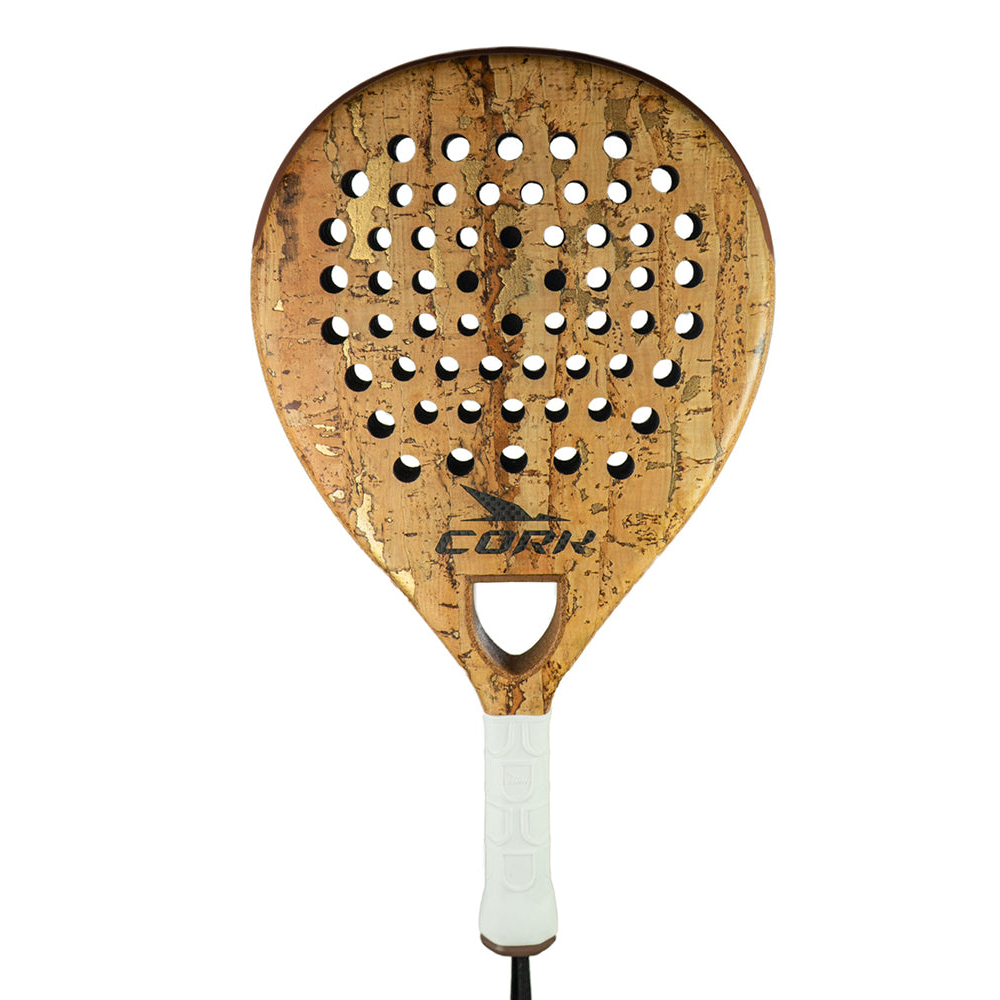
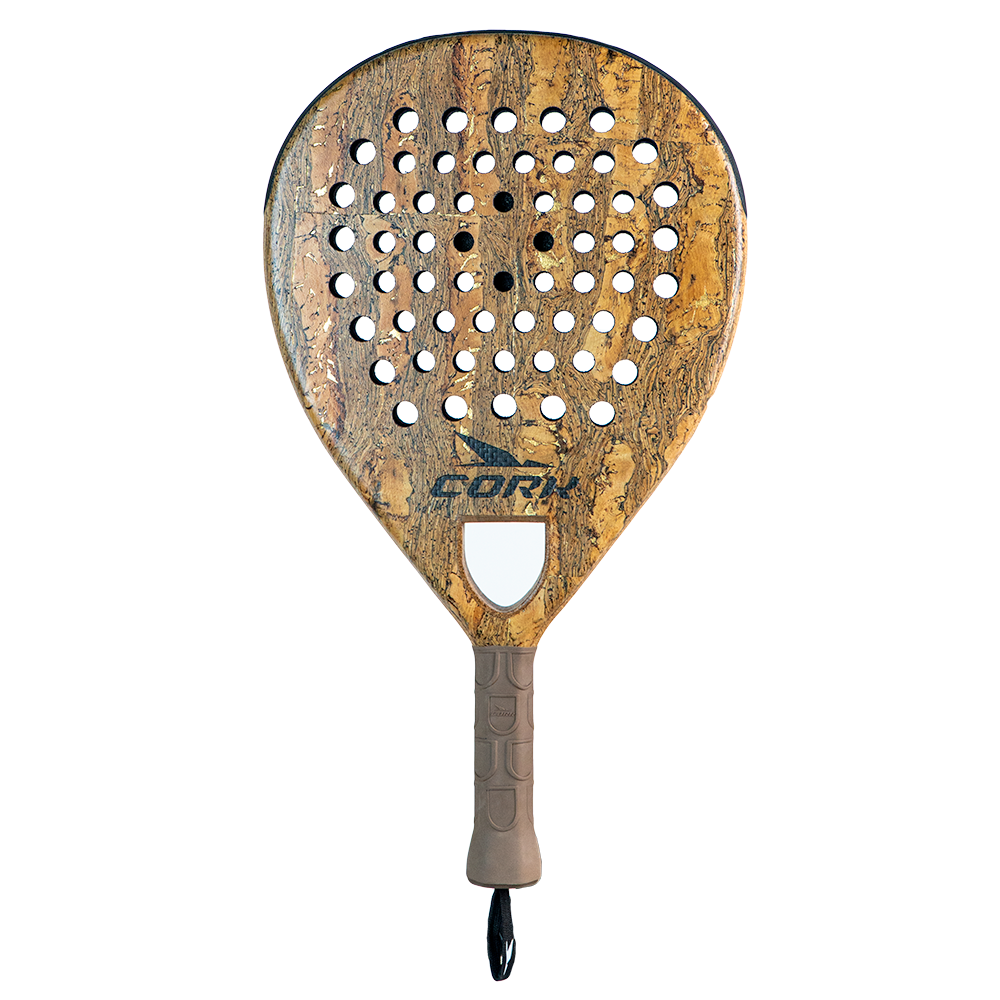
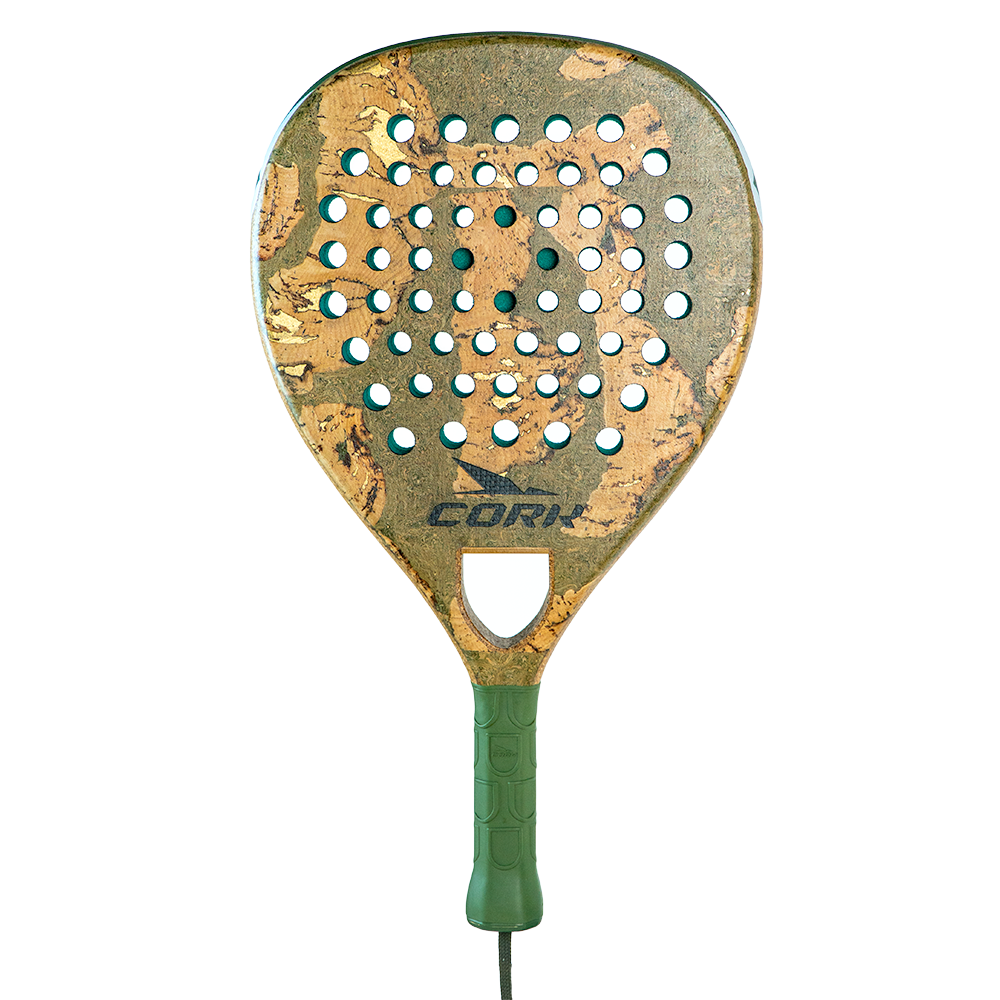
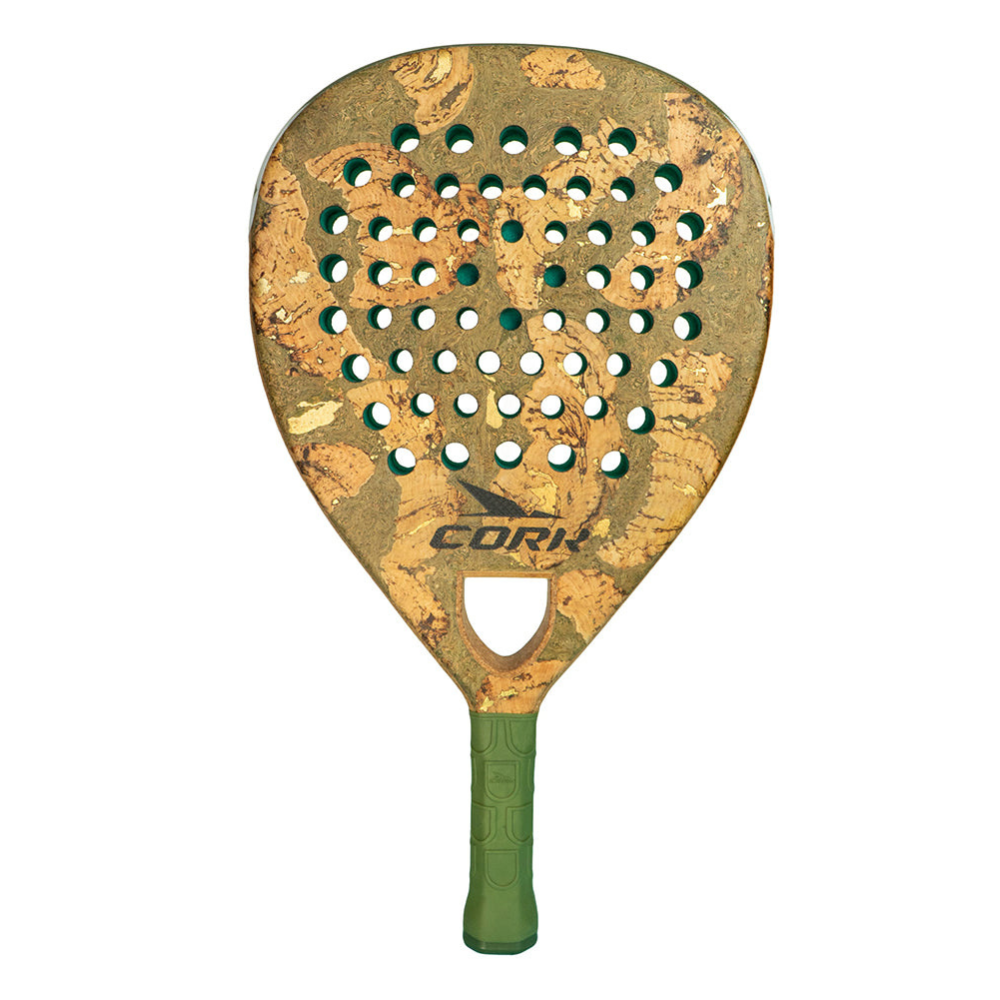
| Line | Representative model | Shape & balance | Feel & performance | Best for |
|---|---|---|---|---|
| Classic | Cork Padel Racket Classic | Round / all-round · Low balance · Lighter static weight | Maximum comfort and maneuverability with a very forgiving sweet spot. Strong on control and defensive play while keeping Cork’s signature low-vibration feel. | Players from beginner to advanced who value control over raw power, especially those with previous elbow or wrist issues or who coach and spend many hours on court. |
| Premium | Cork Padel Racket Premium Hybrid II | Hybrid / teardrop · Medium balance | True all-round response with a soft core and hybrid shape that blend easy acceleration, solid control and accessible power. Great touch on volleys with enough punch overhead. | Advanced players wanting one racket to do everything – balanced between attack and defense, with strong arm protection and premium build quality. |
| Supreme | Cork Padel Racket Supreme Power II | Diamond-leaning hybrid · High balance | Stiffer, more reactive response with extra leverage in the head for smashes and aggressive overheads. Still retains Cork’s anti-vibration comfort, but clearly tuned for power. | High-level competitors and technically advanced attackers who want maximum punch without giving up the brand’s trademark shock absorption. |
| Extreme | Cork Padel Racket Extreme Green | Hybrid EXTREME shape · Medium-high balance | Full-carbon construction with a high-density core for explosive power, plus multi-diameter drilling and a larger shield for a big, stable sweet spot. Rough face helps you load spin on the ball. | Advanced offensive players looking for a standout racket that combines strong power, spin and maneuverability while keeping Cork’s low-vibration DNA. |
What makes a padel racket arm-friendly?
Not every “soft” racket is automatically good for tennis elbow. When choosing a comfort-focused model, look for this mix of characteristics:
- Effective vibration absorption: Multi-layer cores, cork, rubber inserts or engineered dampening systems that reduce shock before it reaches your arm.
- Medium or soft overall feel: A bit of flex in the face helps the ball dwell slightly longer and spreads impact forces more evenly.
- Balanced weight and swing: Typically around 360–370 g with either even balance or only slightly head-heavy, so you’re not fighting the racket every stroke.
- Generous sweet spot: Round or hybrid shapes tend to be more forgiving, which keeps mishits from sending harsh vibrations up the arm.
- Quality materials and construction: Good layups (Innegra, fiberglass blends, controlled carbon) keep the frame stable instead of buzzing on contact.
You can then fine-tune with grip size, overgrips and sometimes balance tape, but starting from a comfort-oriented frame makes the biggest difference.
Why Cork padel rackets stand out for elbow and wrist comfort
Cork padel rackets are built around a simple idea: protect the player first. Handcrafted in Portugal, they combine cork layers, carbon fiber, fiberglass and Innegra with an exclusive anti-vibration system that, according to the manufacturer, can reduce shock waves to the arm by up to 40% compared with standard rackets. That makes Cork one of the most interesting options if you are dealing with epicondylitis (tennis elbow), wrist sensitivity, or just want to avoid future issues.
Beyond the damping, Cork focuses on:
- Large, controlled sweet spots: The way the layup and core are tuned keeps the racket stable on off-center shots, so you’re less punished when defending or stretching wide.
- Balanced output: Ball exit is controlled rather than hyper-reactive, which helps you keep technique clean instead of forcing jerky swings.
- Durability as part of “comfort”: Stable frames that keep their structural integrity over time behave more predictably and avoid the “rattly” feel of worn-out rackets.
Because Cork offers round (control), teardrop (all-court) and diamond (power) options, you don’t have to sacrifice your playing style just because you care about your elbow.
Comfort spectrum: Cork vs softer mainstream rackets
When you look at the market, most “arm-friendly” frames cluster into two groups:
- Dedicated comfort brands like Cork: prioritise vibration absorption, handcrafted build and sustainable materials.
- Soft lines from big brands: for example, “soft” or “comfort” versions in Babolat, Adidas, Bullpadel, Nox, Head or Wilson ranges.
A simplified way to think about it:
| Type | Example | Main advantages | What to keep in mind |
|---|---|---|---|
| Specialist comfort brand | Cork padel rackets | Very strong vibration dampening, handcrafted quality, large sweet spots, sustainable materials. | Usually higher price point; not as widely known as the biggest tour brands. |
| Soft “comfort” models | Soft / Comfort / Control versions from major brands | Easier availability, familiar brand names, broader range by shape and weight. | Comfort can vary a lot; some models are still quite stiff despite the label. |
| Standard or hard power frames | Stiff diamond rackets focused on maximum power | Huge ball speed for advanced attackers. | Typically the most demanding and least forgiving on the arm if technique or timing are not perfect. |
If you already have a history of elbow or wrist issues, or you simply play a lot of hours every week, starting with a Cork model or a genuinely soft, round/hybrid racket from a major brand is usually safer than moving straight into the stiffest pro-level power frames.
Who should seriously consider Cork padel rackets?
Cork is not the only answer for comfort, but it makes a lot of sense in a few specific situations:
- You’ve had tennis elbow or wrist pain before: and you want to minimise the shock your arm receives on every impact.
- You play often (league, clinics, tournaments): so you’re more exposed to overuse injuries and want a racket that takes some load off your joints.
- You prefer round or hybrid shapes: which pair naturally well with the big sweet spots and controlled output Cork offers.
- You care about sustainability and craftsmanship: and like the idea of a racket handmade in Portugal with cork and long-lasting materials.
If you’re an occasional player with no history of arm pain, you might not “need” Cork specifically—but you can still benefit from the feel and durability if the philosophy resonates with you.
How to choose a padel racket for tennis elbow and arm comfort
Whether you end up with a Cork racket or a soft model from another brand, the decision process should look something like this:
- Start from your level and style: Are you a beginner needing maximum forgiveness, an intermediate all-rounder, or an advanced attacker? That will determine shape (round vs teardrop vs diamond) and general stiffness.
- Prioritise comfort over raw power: At least until symptoms are under control. It’s better to lose a bit of pace and keep your arm healthy than the other way around.
- Check the technologies used: Look for vibration-dampening systems, cork or elastic layers, softer EVA cores, and materials like Innegra or fiberglass blends that smooth impact.
- Stay within a sensible weight range: Around 360–370 g suits most players with elbow concerns; extremely heavy or very head-heavy frames add stress.
- Dial in grip size and overgrips: A grip that is too thin forces you to squeeze harder, increasing forearm tension; a properly built grip lets you relax the hand.
And above all: if you are injured or in persistent pain, a racket change alone is not enough. It should complement rest, rehab exercises and professional advice from a doctor or physio.
For US players: why comfort matters as padel volume increases
In the US, many players come to padel from tennis or pickleball with pre-existing wear and tear in the shoulder or elbow. As court availability grows and you play more often, the combination of smaller court, faster reactions and stiffer modern rackets can quickly overload the arm if equipment and technique aren’t adjusted.
Choosing an arm-friendly frame early—whether that’s a Cork model or a softer mainstream racket—can help you enjoy the sport longer and spend more time on court than in rehab. It’s one of the easiest, most controllable variables you can change as you ramp up your playing volume.
FAQs — best padel rackets for tennis elbow & arm comfort
Are Cork Padel rackets good for tennis elbow?
Cork Padel rackets are specifically designed with vibration-dampening technology and shock-absorbing materials like cork layers, Innegra and tuned cores. According to the manufacturer, this can significantly reduce the vibrations that reach the elbow and wrist, which makes them a strong option if you’re managing or trying to prevent tennis elbow. However, they are not a medical treatment, so you should still follow professional advice if you are injured.
What is the best padel racket for arm pain?
The “best” racket depends on your level and style, but in general you should look for a medium or soft feel, good vibration absorption, a round or hybrid shape and a sensible weight around 360–370 g. Cork padel rackets fit this profile very well, and several soft/control models from major brands can also work when chosen carefully.
Are soft padel rackets always better for tennis elbow?
Not always. A softer racket can help, but if the frame is unstable, too head-heavy or has a tiny sweet spot, you may still get a lot of vibration and torque on mishits. The ideal arm-friendly racket balances controlled flex with stability, a generous sweet spot and appropriate weight and balance.
Can changing my racket cure tennis elbow?
A more comfortable racket can reduce the load on your arm and prevent symptoms from getting worse, but it won’t “cure” tennis elbow by itself. Recovery usually requires rest, rehab exercises, possible technique adjustments and guidance from a doctor or physiotherapist. Think of the racket as part of a broader strategy, not the only solution.
Should I avoid diamond-shaped rackets if I have elbow issues?
Diamond shapes are often stiffer and more head-heavy, which can be demanding on the arm, especially if you are not an advanced attacker. If you have or have had elbow pain, a round or hybrid shape with a comfort-oriented layup is generally safer. If you insist on a diamond, choosing a softer, well-dampened frame (such as certain Cork or soft “power” models) is essential.


