With so many models on the market, learning how to choose a pickleball paddle can feel overwhelming at first. The right paddle depends on your level, playing style, comfort preferences, and the kind of feel you want on contact. Some players need more forgiveness and control, while others want extra pop, spin, or reach.


Table of Contents
This guide breaks down the most important factors so you can understand how to pick a pickleball paddle with more confidence. We will cover weight, shape, grip size, materials, and overall feel so you can narrow the field more intelligently. When you are ready to compare options, explore our full selection of pickleball paddles.
How to choose a pickleball paddle: start with your player profile
The easiest way to understand how to select a pickleball paddle is to begin with your current level and priorities. A beginner usually benefits from forgiveness and easy handling. An intermediate player often wants more defined performance traits like added spin, power, or touch. Advanced players tend to shop more specifically by shape, core feel, and construction details.
Simple starting point: if you are unsure where to begin, a midweight paddle with a forgiving shape and a comfortable grip is usually the safest all-around entry point.
How to choose a pickleball paddle for beginners
If your main question is how to choose a pickleball paddle for beginners, focus less on hype and more on ease of use. Most beginners do better with paddles that feel balanced, not too heavy, and forgiving on off-center contact. That usually means looking for a shape with a solid sweet spot, manageable weight, and a grip size that feels secure without tension.
- Prioritize forgiveness: a wider or more balanced shape can make clean contact easier.
- Avoid extreme setups: very heavy paddles or very demanding elongated shapes are not always the easiest starting point.
- Choose comfort first: a paddle that feels good in your hand is easier to trust and improve with.
- Compare by player type: beginner, control, power, or power-and-control are often the best first filters.
Pickleball paddle weight: power vs control
Weight is one of the first things to consider when deciding how to pick a pickleball paddle. It affects swing speed, hand speed, comfort, and how much pace you can generate without overworking your arm.
- Lightweight paddles: easier to maneuver and often better for quick reactions, control, and reduced arm fatigue.
- Midweight paddles: the most versatile category for most players because they balance stability, power, and control.
- Heavier paddles: can help generate more put-away power, but they require more strength and can feel slower in fast exchanges.
For many players, midweight is the best place to start because it gives you room to discover your preferences without forcing the paddle to play too extreme in either direction.
Paddle shape: forgiveness, reach, and sweet spot
Shape has a big influence on how a paddle plays. It affects reach, sweet spot size, stability, and the overall way the paddle moves through the air.
- Standard shapes: a balanced choice for all-around players.
- Elongated shapes: more reach and often more leverage, but usually with a smaller sweet spot.
- Widebody shapes: a larger hitting area and more forgiveness, which often makes them appealing for newer players.

If shape and forgiveness are already clear but thickness is still a question, read our guide to 14mm vs 16mm pickleball paddles.
Grip size: comfort, control, and hand speed
Grip size plays a bigger role than many players expect. A grip that is too large can reduce wrist mobility and make the paddle feel less natural. A grip that is too small can make the paddle twist more on contact unless you build it up with an overgrip.
- Smaller grips: often help with wrist action, spin, and faster hand adjustments.
- Medium grips: the most common and versatile option for many players.
- Larger grips: can feel more stable for bigger hands and may reduce torque.

Paddle materials and face feel
Another key part of how to choose a pickleball paddle is understanding that not all faces feel the same. Some paddles feel softer and more controlled, while others feel livelier and more aggressive. Instead of getting stuck on material labels alone, think in terms of what you want the paddle to do for your game.
- Control-oriented feel: better for resets, dinks, and players who want a more connected response.
- Power-oriented feel: better for players who want more pop and easier pace.
- Hybrid feel: a middle ground for players who want a more balanced mix of control and attack.
Core feel and thickness
The core affects feel, stability, and the way the ball comes off the face. Softer-feeling constructions often help with control and vibration reduction, while livelier builds can feel faster and more powerful. Thickness also matters. In general, thinner paddles tend to feel quicker and poppier, while thicker paddles often feel more stable and controlled.
If thickness is one of your main doubts, our comparison of 14mm vs 16mm pickleball paddles can help you narrow the choice further.
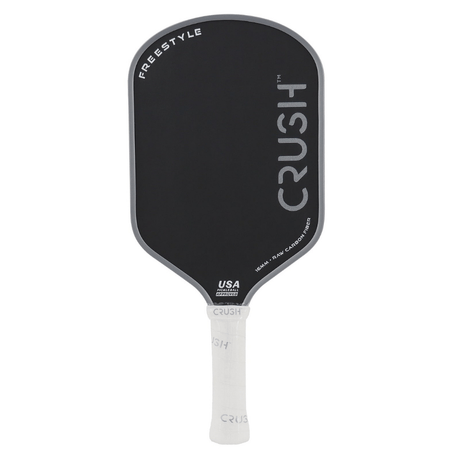
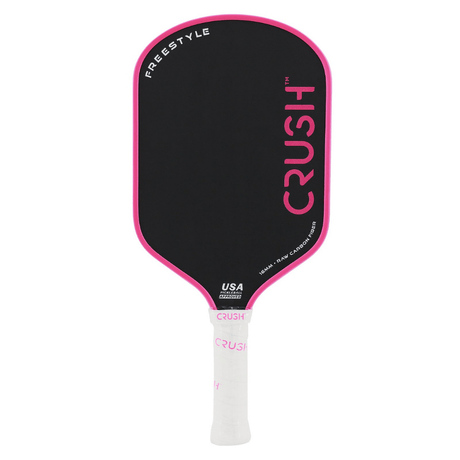
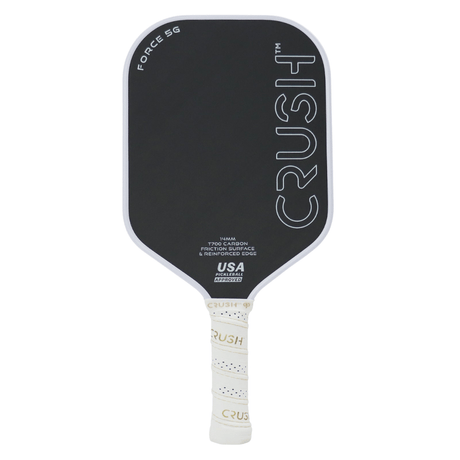
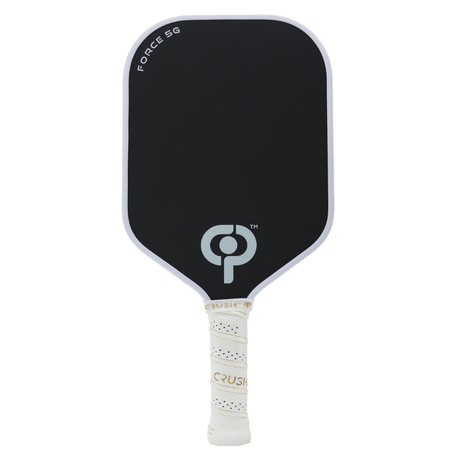
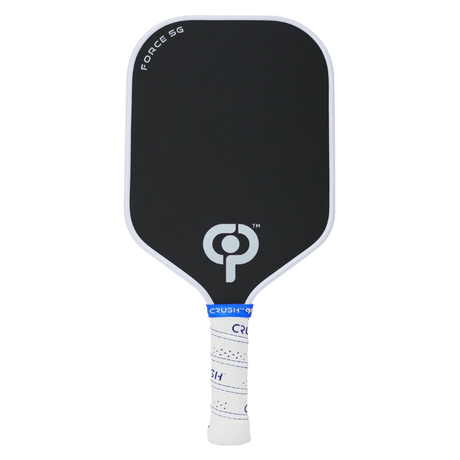
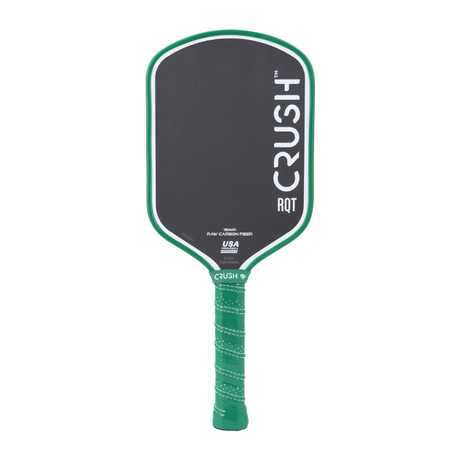
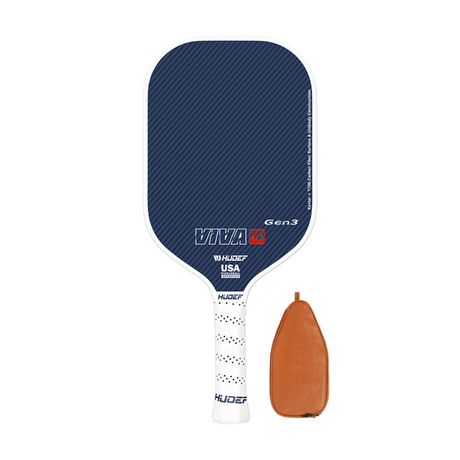
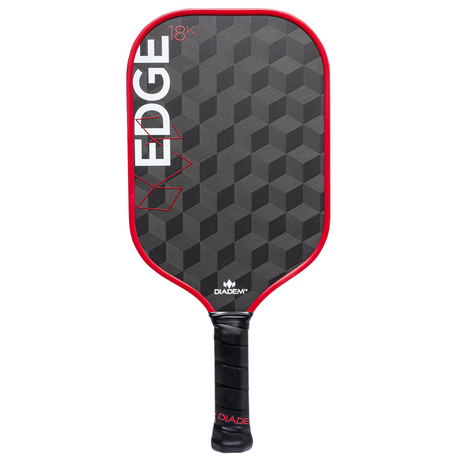
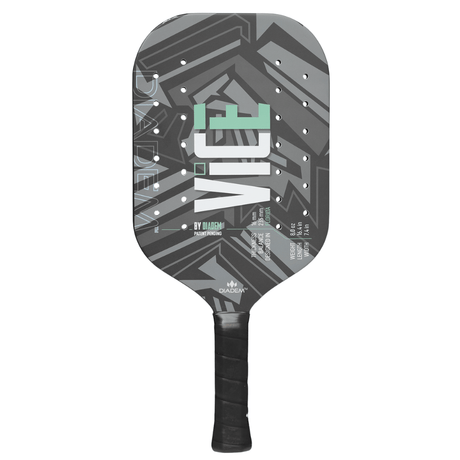
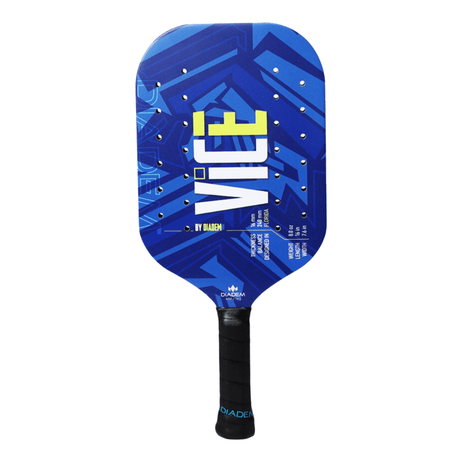
What modern performance paddles can look like
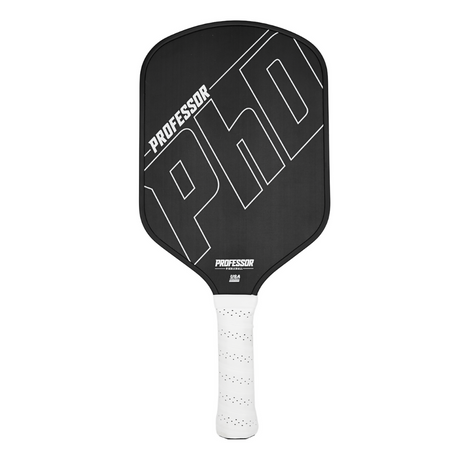
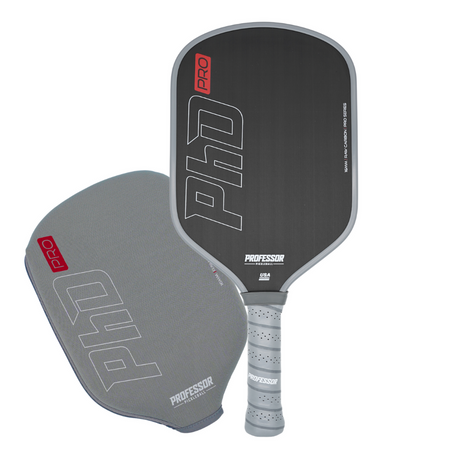
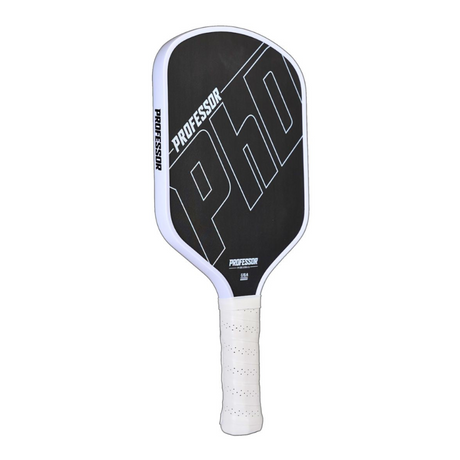
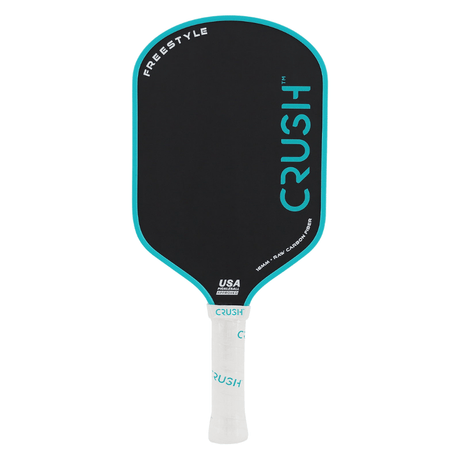
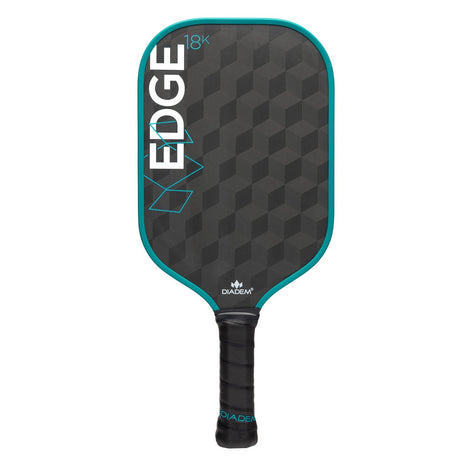
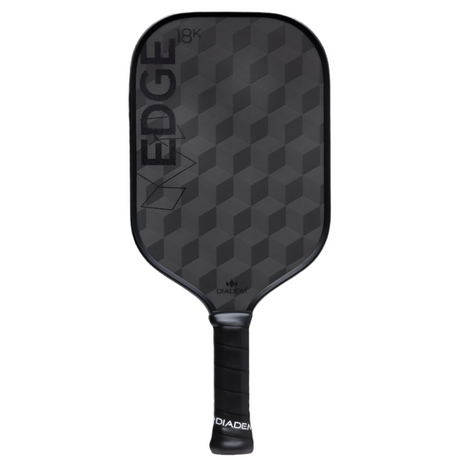
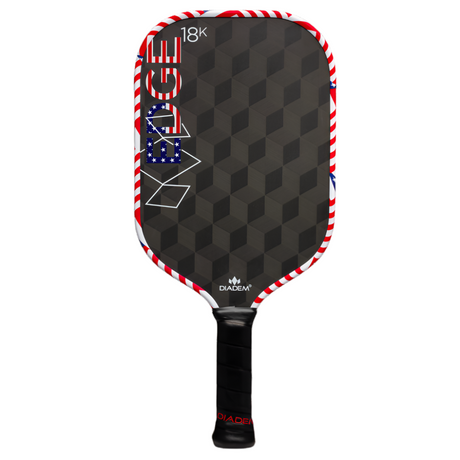
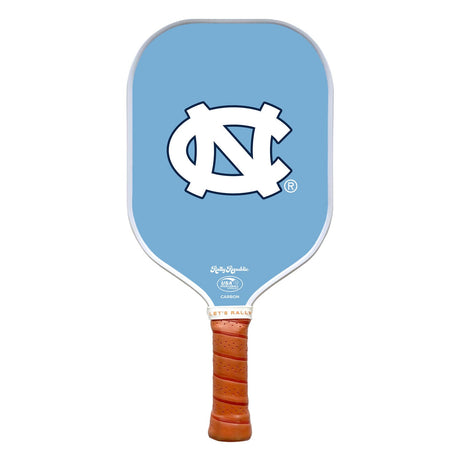
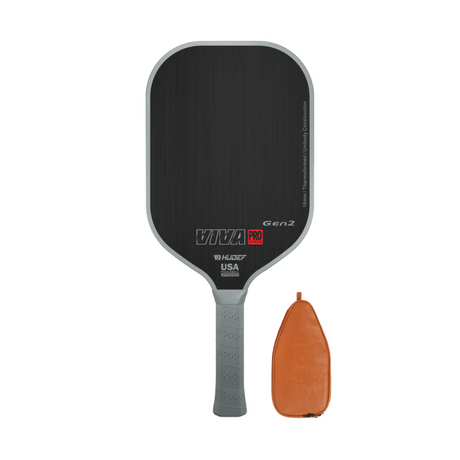
Looking at real paddle profiles can make the selection process easier. Some modern paddles are tuned for a more balanced power-and-control feel, while others are built to feel more aggressive, faster through contact, or more spin-oriented.


These examples help show why choosing a paddle is not just about one spec. The best choice usually comes from combining the right shape, weight, grip, and feel for the way you actually play.
Match the paddle to your playing style
Once you understand the specs, the final step is matching the paddle to your actual style of play.
- Control players: usually do better with paddles that feel stable, forgiving, and comfortable in the soft game.
- Power players: often prefer paddles that feel more explosive and help generate easier pace.
- Balanced players: should look for an all-around paddle that does not push too far into either extreme.
- Beginner players: should prioritize comfort, forgiveness, and confidence over advanced specs.
Final tips on how to pick a pickleball paddle
There is no single best paddle for everyone. The best answer to how to choose a pickleball paddle comes down to your level, comfort, preferred feel, and style of play. Most players make better choices when they start simple: choose a manageable weight, a comfortable grip, and a shape that fits the way you move and contact the ball.
To keep learning before you buy, you can also read our guide to 14mm vs 16mm pickleball paddles.
FAQs: how to choose a pickleball paddle
How do I choose a pickleball paddle?
Start with your level and playing style, then narrow the choice by weight, shape, grip size, and overall feel. Beginners usually do best with a forgiving, balanced paddle, while more experienced players can shop more specifically by power, control, or spin profile.
How to choose a pickleball paddle for beginners?
Beginners should usually look for a paddle that feels comfortable, balanced, and forgiving on off-center contact. A manageable weight, comfortable grip, and easy-to-use shape matter more than chasing advanced specs too early.
What weight pickleball paddle is best?
Midweight paddles are usually the safest all-around choice because they balance maneuverability, stability, and power. Lighter paddles often favor control and quicker hands, while heavier paddles can add more put-away power.
What shape pickleball paddle should I choose?
Choose a standard shape for balance, an elongated shape for added reach, or a widebody shape for more forgiveness. The best choice depends on whether you value reach, sweet spot size, or all-around playability.
How important is grip size when choosing a pickleball paddle?
Grip size is very important because it affects comfort, control, wrist mobility, and paddle stability. A grip that feels too large or too small can make a good paddle feel wrong in actual play.